Skip to content

Intrinsically Safe vs Explosion Proof: What's the Real Difference?
Two protection methods, one goal — preventing ignition in hazardous locations. Here's how intrinsically safe and explosion proof equipment actually differ, and how to choose the right one for your facility.
If you work around flammable gases, combustible dust, or volatile vapors, you've probably seen the terms intrinsically safe and explosion proof used interchangeably. They shouldn't be. Both are recognized protection methods for hazardous locations, but they take completely different approaches to preventing an explosion — and choosing the wrong one can create real safety and compliance risks.
In this guide, we'll break down what each term actually means, how the two methods compare, and which one makes sense depending on your equipment, your environment, and your industry — whether that's oil and gas, chemical processing, mining, or a warehouse running forklifts near flammable materials.
What Does "Explosion Proof" Really Mean?
Despite the name, explosion proof equipment isn't designed to prevent an explosion from happening inside the device. It's designed to contain one. An explosion proof enclosure allows an internal spark or arc to ignite gas that seeps inside, but the heavy-duty, flame-tight housing contains the blast and cools the escaping gases below their ignition temperature before they reach the surrounding atmosphere.
Explosion proof housings are typically built from cast aluminum or steel, with tightly machined joints that quench flame paths. This makes the equipment rugged, but also bulky, heavy, and often more expensive to manufacture and install.
What Does "Intrinsically Safe" Really Mean?
Intrinsically safe (IS) design takes the opposite approach — it prevents ignition from ever having enough energy to occur in the first place. IS circuits limit voltage and current to levels far too low to generate a spark or thermal effect capable of igniting a flammable atmosphere, even under fault conditions like a short circuit or broken wire.
Because there's no dangerous spark to contain, intrinsically safe devices don't need heavy protective housings. That makes IS-rated instruments lighter, smaller, and generally better suited to low-power devices like sensors, transmitters, handheld gas detectors, and communication equipment.
Intrinsically Safe vs Explosion Proof: Side-by-Side Comparison
| Factor | Intrinsically Safe | Explosion Proof |
|---|---|---|
| Protection Approach | Prevents ignition energy from forming | Contains an internal explosion |
| Power Level | Low-power circuits only | Works with high-power equipment |
| Equipment Weight | Lightweight, compact | Heavy, rugged enclosures |
| Typical Use Cases | Sensors, gas detectors, transmitters, handheld devices | Motors, lighting, cameras, control panels, junction boxes |
| Maintenance Access | Can often be serviced live in the hazardous area | Usually requires area to be de-energized or gas-free first |
| Cost & Installation | Lower cost, simpler wiring barriers required | Higher cost, heavier mounting and conduit requirements |
Which One Should You Choose?
The right protection method depends heavily on the power demands of the equipment and the practical realities of your site.
- Choose intrinsically safe when you're working with low-power instrumentation — gas detectors, temperature sensors, communication radios — especially where technicians need to service or calibrate equipment without shutting down operations.
- Choose explosion proof when equipment requires more power than an IS circuit can safely deliver — motors, high-output lighting, industrial cameras, and control systems that simply can't operate within intrinsically safe energy limits.
Many facilities end up using both methods side by side, matching the protection type to each piece of equipment rather than forcing a one-size-fits-all solution across the entire site.
Real-World Application: Mobile Equipment in Hazardous Zones
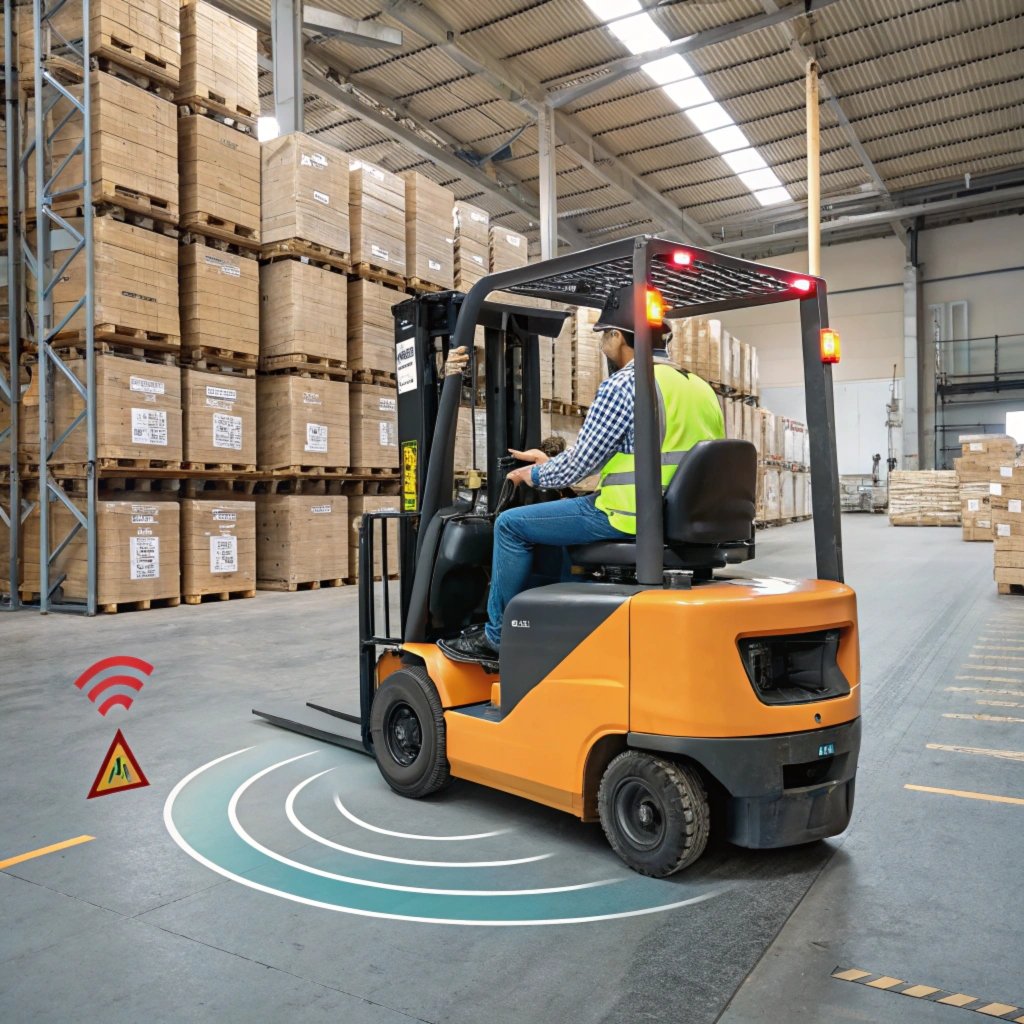
One area where this decision matters a lot is mobile equipment — particularly forklifts operating in Class I or Class II hazardous locations such as chemical plants, grain facilities, paint booths, and fuel storage areas. Cameras and collision-avoidance sensors mounted on this equipment draw enough power that intrinsically safe design usually isn't practical, which is exactly why explosion proof housings are the standard here.
A Forklift Explosion Proof Camera System is a good example of this in practice: it gives operators the visibility and collision-avoidance benefits of a standard camera system, but housed inside a rated enclosure that safely contains any internal ignition source, keeping the surrounding flammable atmosphere protected even in demanding industrial environments.
Looking to Upgrade Forklift Safety in Hazardous Areas?
See how an explosion proof camera system helps reduce blind-spot collisions while meeting hazardous location safety requirements.
Explore the Forklift Explosion Proof Camera SystemUnderstanding Hazardous Area Classifications
Both protection methods are certified against recognized hazardous location standards, including:
- Class I — Flammable gases or vapors (e.g., refineries, chemical plants)
- Class II — Combustible dust (e.g., grain elevators, flour mills)
- Class III — Ignitable fibers or flyings (e.g., textile facilities)
- Zone / Division systems — Define how frequently the hazard is present, from continuous exposure to rare, abnormal conditions
Always verify the specific Class, Division (or Zone), and Group rating required for your facility before selecting equipment — the correct protection method depends on this classification, not just the type of equipment involved.
Frequently Asked Questions
Is explosion proof equipment safer than intrinsically safe equipment?
Neither is inherently "safer" — they're different strategies suited to different power levels. Explosion proof is typically necessary for higher-power devices, while intrinsically safe is preferred for low-power instrumentation where it's feasible.
Can intrinsically safe and explosion proof equipment be used in the same facility?
Yes. It's common for facilities to combine both methods, selecting the appropriate protection type for each specific device based on its power requirements and function.
Why do forklift camera systems use explosion proof housings instead of intrinsically safe design?
Camera systems, displays, and sensors typically require more power than intrinsically safe circuits allow, making explosion proof enclosures the practical and compliant choice for this type of mobile equipment.
Does explosion proof mean the equipment won't explode?
Not exactly. It means that if ignition occurs inside the enclosure, the housing is built to contain it so it can't ignite the surrounding hazardous atmosphere.
Understanding the difference between intrinsically safe and explosion proof protection isn't just a technical distinction — it directly affects worker safety, compliance, and equipment reliability in hazardous environments. Matching the right protection method to each piece of equipment, from handheld gas detectors to explosion proof forklift camera systems, is one of the most important decisions a facility can make when operating around flammable gases, vapors, or combustible dust.