Skip to content

Table of Contents
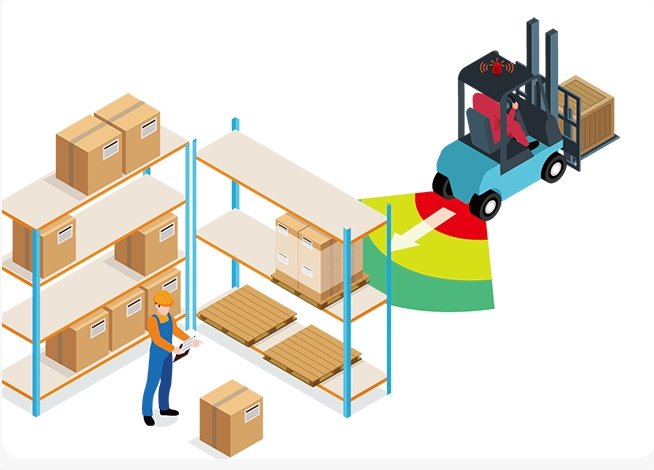
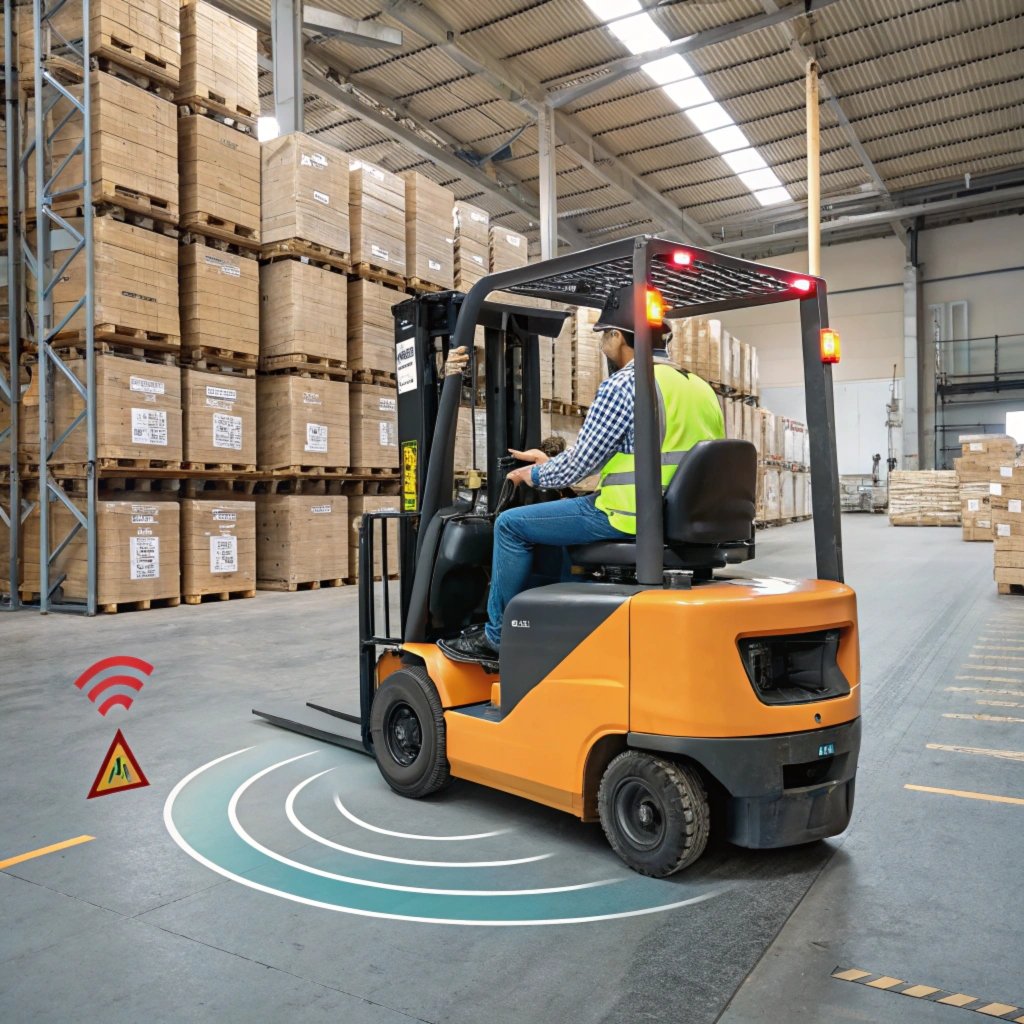
Forklift safety is a top concern in warehouses, factories, and logistics centers across the United States. According to OSHA, forklift accidents cause tens of thousands of injuries each year, with many related to collisions involving pedestrians, racking systems, or other vehicles. An anti-collision system has become one of the most effective technologies to reduce risks—but not every forklift requires it. Let’s break down which forklifts benefit most from anti-collision systems, and which may not need them.
Forklifts That Need an Anti-Collision System
High-Traffic Area Forklifts
- Examples: Electric counterbalance forklifts, reach trucks, pallet trucks in warehouses and distribution centers.
- Why: These forklifts operate in areas where workers, equipment, and goods are constantly moving. Blind spots, tight aisles, and heavy pedestrian traffic make them prone to collisions. An anti-collision system helps detect pedestrians and other vehicles early, reducing accident risk.
Indoor Narrow-Aisle Forklifts
- Examples: Order pickers, turret trucks, very narrow aisle (VNA) trucks.
- Why: These forklifts often maneuver in tight racking aisles where visibility is poor. The operator’s focus is usually on high-level picking, not on the ground-level hazards. Anti-collision systems provide an added layer of safety in such restricted environments.
Forklifts Operating in Mixed-Use Facilities
- Examples: Forklifts in factories, food production plants, or cross-docking facilities where both forklifts and pedestrians share the same floor.
- Why: The greatest danger arises when forklifts and people interact in the same area. An anti-collision system helps avoid pedestrian strikes, one of the most common causes of serious forklift accidents.
Large Capacity Forklifts
- Examples: Heavy-duty forklifts used in steel plants, ports, lumber yards, and construction sites.
- Why: Larger forklifts have longer stopping distances and bigger blind spots. Collisions in these environments can be devastating due to the heavy loads. Installing an anti-collision system greatly improves operational safety.
Forklifts That May Not Need an Anti-Collision System
Outdoor Rough Terrain Forklifts in Isolated Sites
- Examples: Construction forklifts, telehandlers, or farm forklifts used in open fields or remote job sites.
- Why Not: These forklifts often operate in areas with little to no pedestrian traffic, wide open spaces, and low congestion. The risk of collision is minimal compared to indoor or mixed-use environments.
Single-Operator Environments
- Examples: Small private warehouses where only one forklift is used and there are no pedestrians on the floor.
- Why Not: If no other forklifts or people are nearby, the chance of collision is significantly reduced. In such cases, operator training and clear floor marking may be sufficient for safety.
Automated Guided Vehicles (AGVs) or Autonomous Mobile Robots (AMRs)
- Why Not: These machines already come with built-in sensors and safety systems designed to avoid collisions. Adding another anti-collision system is often redundant.
Key Takeaway
Not every forklift requires an anti-collision system—but any forklift operating in crowded, mixed-use, or narrow indoor environments should be equipped with one. For outdoor, isolated, or single-operator situations, traditional safety practices may be enough.
In the end, the decision comes down to risk assessment: If your forklift often works near people, other forklifts, or valuable infrastructure, investing in an anti-collision system is not just smart—it’s essential.
More Articles
Please check the following for more articles.