Skip to content
Forklift Buying Guide: How to Choose the Right Forklift for Your Warehouse Needs

Looking to buy a forklift but not sure which type is right for your warehouse? The wrong choice quietly costs you productivity, damaged racking, and safety risk for years. This guide walks through every major forklift type, matches them to warehouse size and terrain, and gives you a checklist to buy with confidence — even if this is your first forklift purchase.
Ask a supplier "which forklift should I buy?" and you'll usually get whatever's easiest to sell that week. That's how warehouses end up with a truck that's technically capable but wrong for the aisles, the racking height, or the load type. The right forklift increases productivity, reduces product and equipment damage, improves worker safety, and lowers long-term maintenance costs. The wrong one does the opposite — quietly, for years.
This guide breaks down every major forklift type in plain language, matches them to warehouse size and ground conditions, and walks through the questions you should answer before you ever call a supplier.
📋 Table of Contents
1. What Do You Need to Lift — And Where?
Before comparing forklift types, answer these questions honestly. Your answers determine which category of truck actually fits your operation — everything else is detail.
- What is the weight of the heaviest load you need to lift?
- How high do you need to lift it?
- Are you working indoors, outdoors, or both?
- What's your warehouse size and aisle width?
- How often will the forklift be used?
- Are you handling pallets, long items, or irregular loads?
Size the truck to your heaviest realistic load, not your average one. Most warehouses have one or two outlier pallets or crates that quietly decide the correct forklift class — even if 90% of daily loads are lighter.
2. Types of Forklifts and Where They Fit Best
✅ Counterbalance Forklift

Best for: Standard indoor warehouses with wide aisles
Key features:
- The most common forklift type on the market
- Forks in the front and a counterweight in the back to balance loads
- Simple to operate and very versatile
Use in: Medium to large warehouses, loading/unloading trucks, moving palletized goods.
Recommended power: Electric for indoors, LPG or diesel for outdoor use.
✅ Reach Truck
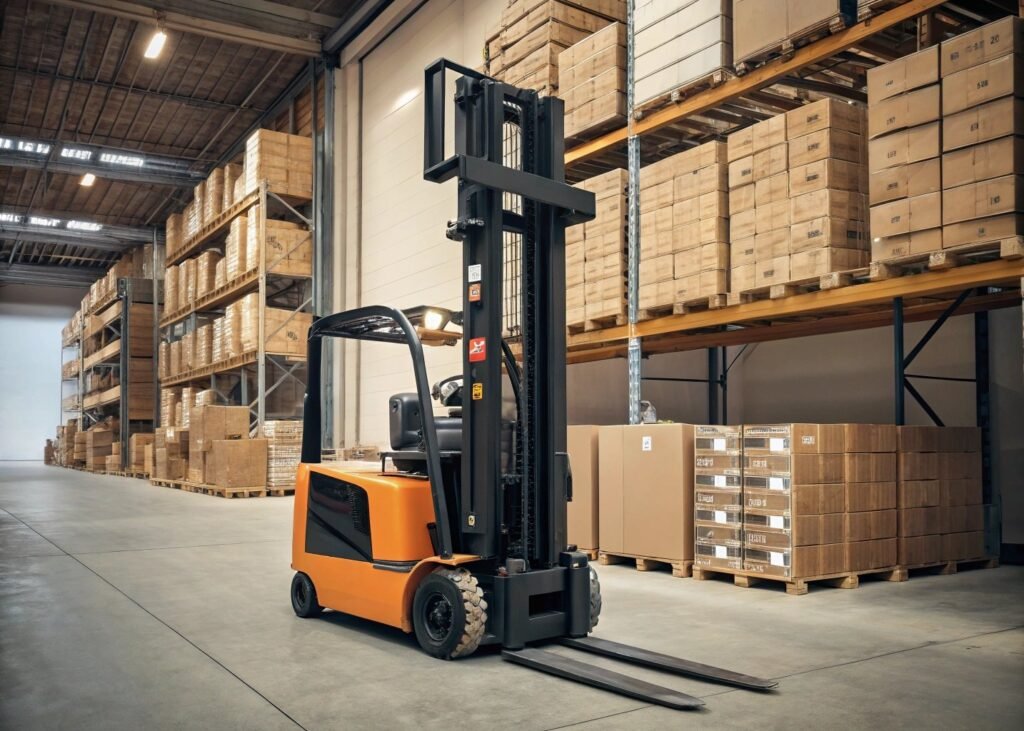
Best for: Narrow-aisle indoor warehouses with high racking
Key features: designed for tight spaces, excellent vertical reach, not ideal for rough surfaces.
Use in: Tall racking warehouses, cold storage, narrow-aisle operations under roughly 10 ft wide.
Recommended model: Electric reach truck.
✅ Walkie Stacker / Pallet Stacker
Best for: Small warehouses with light to medium loads
Key features: operator walks behind or rides on a platform, low cost and compact, ideal for lower-height stacking.
Use in: Startups, retail stockrooms, small storage areas, low-ceiling spaces.
Recommended model: Electric walkie stacker.
✅ Pallet Jack (Manual or Electric)
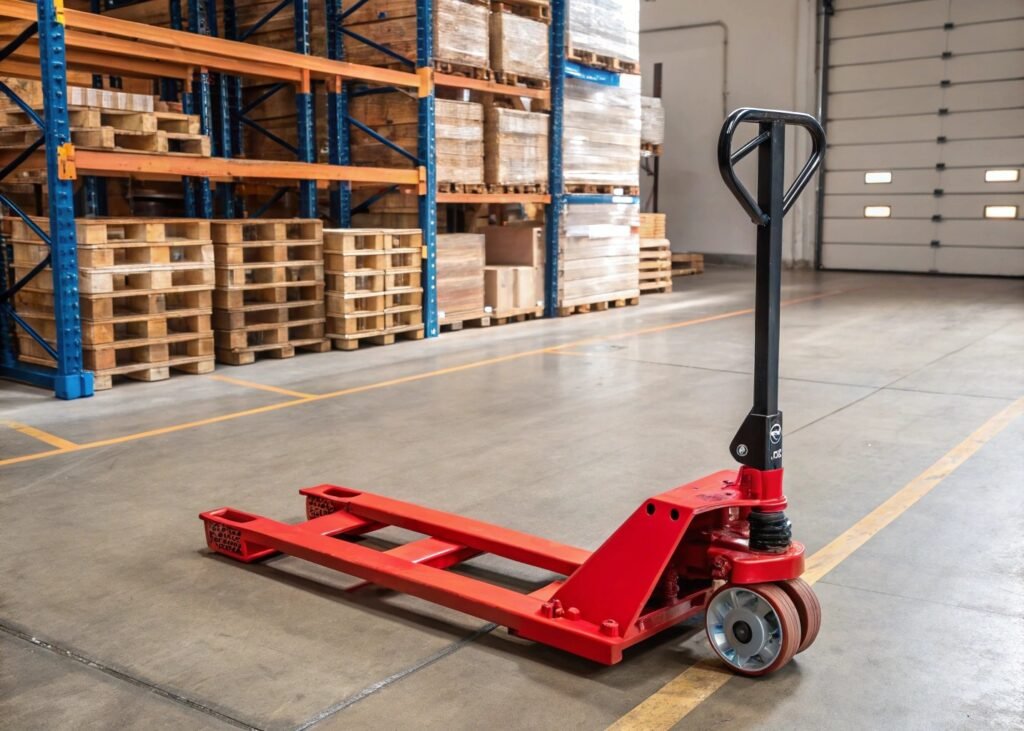
Best for: Light, short-distance material movement
Key features: doesn't lift loads high, very compact and cost-effective, usually no license required.
Use in: Small backrooms, retail or food storage, loading docks with low stacking needs.
Recommended model: Electric for frequent use; manual for occasional use.
✅ Rough Terrain Forklift
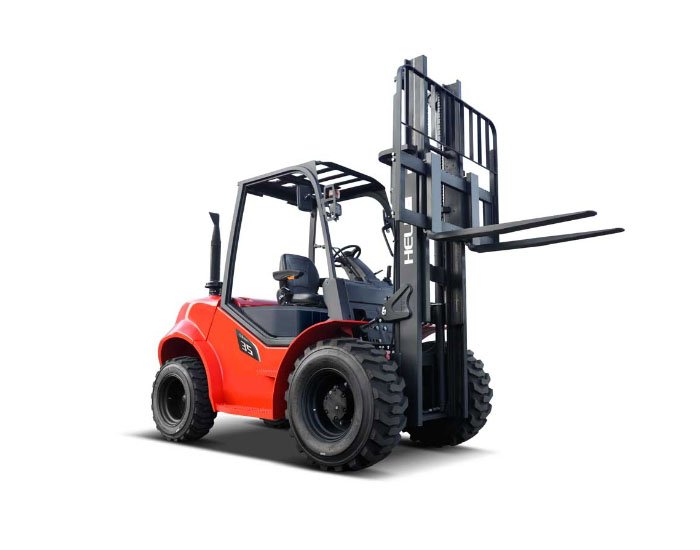
Best for: Outdoor construction sites or uneven ground
Key features: big tires and powerful engines, handles heavy loads on dirt or gravel, not suitable for indoor use.
Use in: Construction yards, lumber yards, farms.
Recommended model: Diesel-powered rough terrain forklift.
✅ Telehandler (Telescopic Handler)
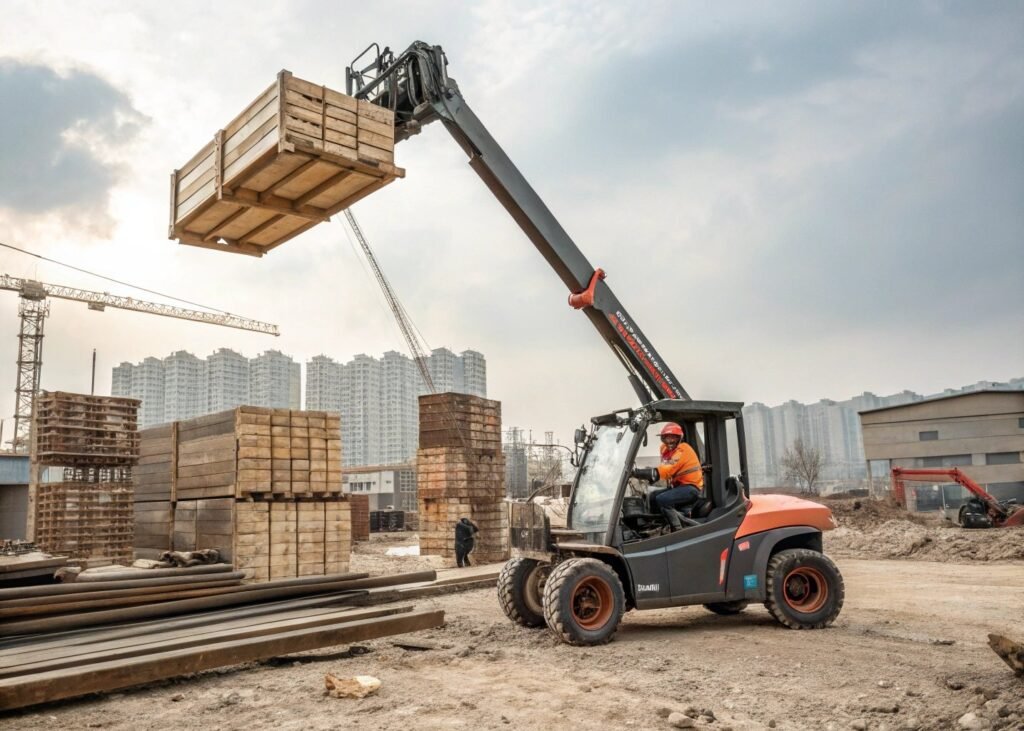
Best for: Outdoor sites needing extra reach and lifting height
Key features: boom-style forklift, can lift loads very high and at angles, often used with attachments.
Use in: Construction, agriculture, specialized high-reach applications.
Recommended model: Diesel telehandler.
✅ Side Loader Forklift
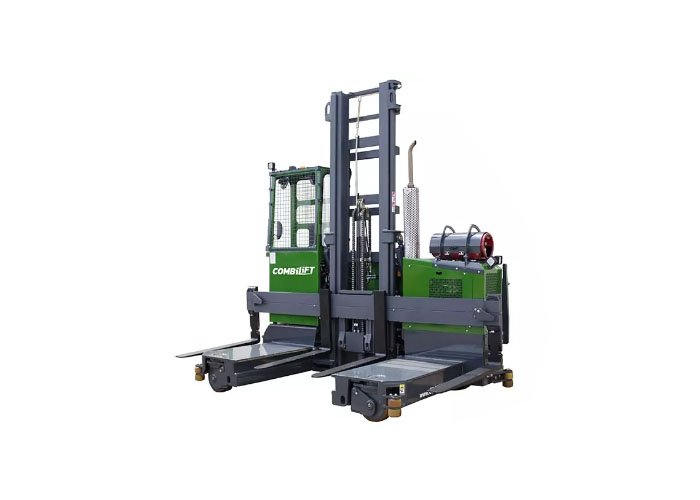
Best for: Long or wide loads in narrow spaces
Key features: operator faces forward while forks extend sideways, great for moving pipes, timber, or metal sheets.
Use in: Steel yards, timber yards, warehouses with long goods and narrow aisles.
3. Choosing Based on Warehouse Size
| Warehouse Size | Best Picks | Reason |
|---|---|---|
| 🏢 Small (under 10,000 sq ft) | Electric pallet jack, walkie stacker, compact reach truck | You need something small, maneuverable, and cost-effective. |
| 🏢 Medium (10,000–50,000 sq ft) | Counterbalance forklift, reach truck | You'll need a balance between lifting power and maneuverability. |
| 🏭 Large (over 50,000 sq ft) | Counterbalance for bulk movement, reach truck for high racks, pallet jacks for floor-level work | Efficiency and specialization become the priority. |
4. Indoor vs. Outdoor Use
| Condition | Best Power Type |
|---|---|
| Indoor use only | Electric (zero emissions, quiet) |
| Indoor + occasional outdoor | LPG (cleaner than diesel, flexible) |
| Outdoor / uneven ground | Diesel or rough terrain models |
Running a diesel or LPG truck indoors without adequate ventilation is a common early mistake. If your warehouse is enclosed and poorly ventilated, default to electric — even if it costs more upfront.
5. Other Factors You Shouldn't Ignore
- Aisle widths: Reach trucks and narrow-aisle forklifts are ideal for tight spaces.
- Load height: Don't forget to check the maximum lift height you'll need — see our forklift capacity guide for how lift height quietly changes what a truck can safely carry.
- Operator comfort & safety: Consider seat ergonomics, visibility, and safety features.
- Maintenance & support: Choose brands with local support and easy access to spare parts.
- Budget: Always balance short-term cost with long-term performance and reliability.
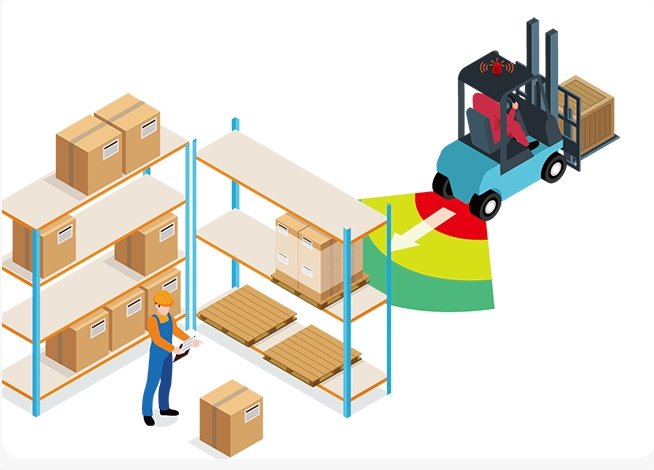
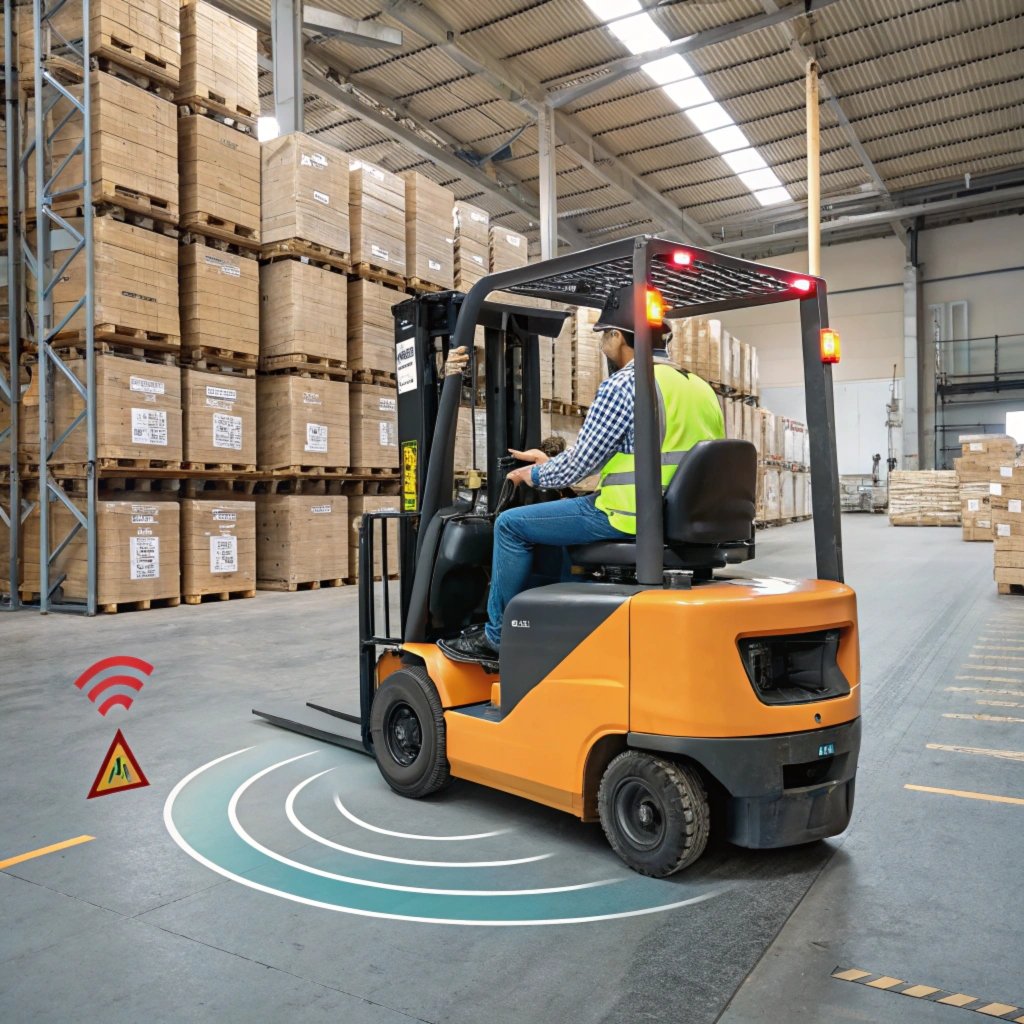
A truck sized correctly for your racking still creates blind spots the moment a mast is raised or a load blocks the operator's forward view. If your warehouse has pedestrian traffic, ask your supplier about camera or sensor add-ons before delivery — retrofitting later usually costs more.
6. New vs. Used Forklifts: Which to Buy?
| New Forklift | Used Forklift |
|---|---|
| Warranty and latest technology | Lower upfront cost |
| Long-term reliability | Good for light use or as a backup |
| Higher cost upfront | Condition must be checked carefully |
For most new warehouse operations, a new electric counterbalance or stacker is a safe and flexible starting choice.
7. Common Forklift Buying Mistakes
- Buying off the headline capacity number alone — without checking the load center or lift height it's based on.
- Ignoring aisle width and turning radius — a truck that can't maneuver in your space isn't a usable upgrade.
- Choosing power type by price instead of environment — diesel/LPG indoors without ventilation is a real hazard.
- Sizing for the average load instead of the heaviest one — leaving no margin for outlier pallets or crates.
- Skipping operator visibility and pedestrian safety planning until after the forklift is already on the floor.
8. Final Tips Before Buying
- Visit your warehouse and measure your aisle widths and ceiling height.
- Estimate your load weight and volume per day.
- Consider future growth: will your operation expand soon?
- Ask for a demo or trial from the forklift dealer.
- Train your operators and follow OSHA safety rules.
9. Frequently Asked Questions
Tap a question to expand the answer — tap again to collapse it.
The counterbalance forklift is the most common choice for general indoor warehousing — it's versatile, simple to operate, and handles most standard pallet work in wide aisles.
Electric forklifts are the better default for enclosed indoor spaces since they produce zero emissions and run quietly. LPG or diesel trucks make more sense outdoors or where refueling speed matters more than emissions.
If your aisles are narrower than roughly 10 ft and your racking is tall, a reach truck is usually the better fit. Wider aisles and general pallet handling favor a counterbalance forklift.
New forklifts offer warranty coverage and the latest safety technology, which matters most for daily, heavy-use operations. Used forklifts can be a reasonable choice for light or backup use, provided the condition and maintenance history are verified carefully.
Large warehouses over roughly 50,000 sq ft often benefit from specialization — a counterbalance forklift for bulk movement, a reach truck for high racking, and pallet jacks for floor-level work, rather than one truck trying to do everything.