Skip to content
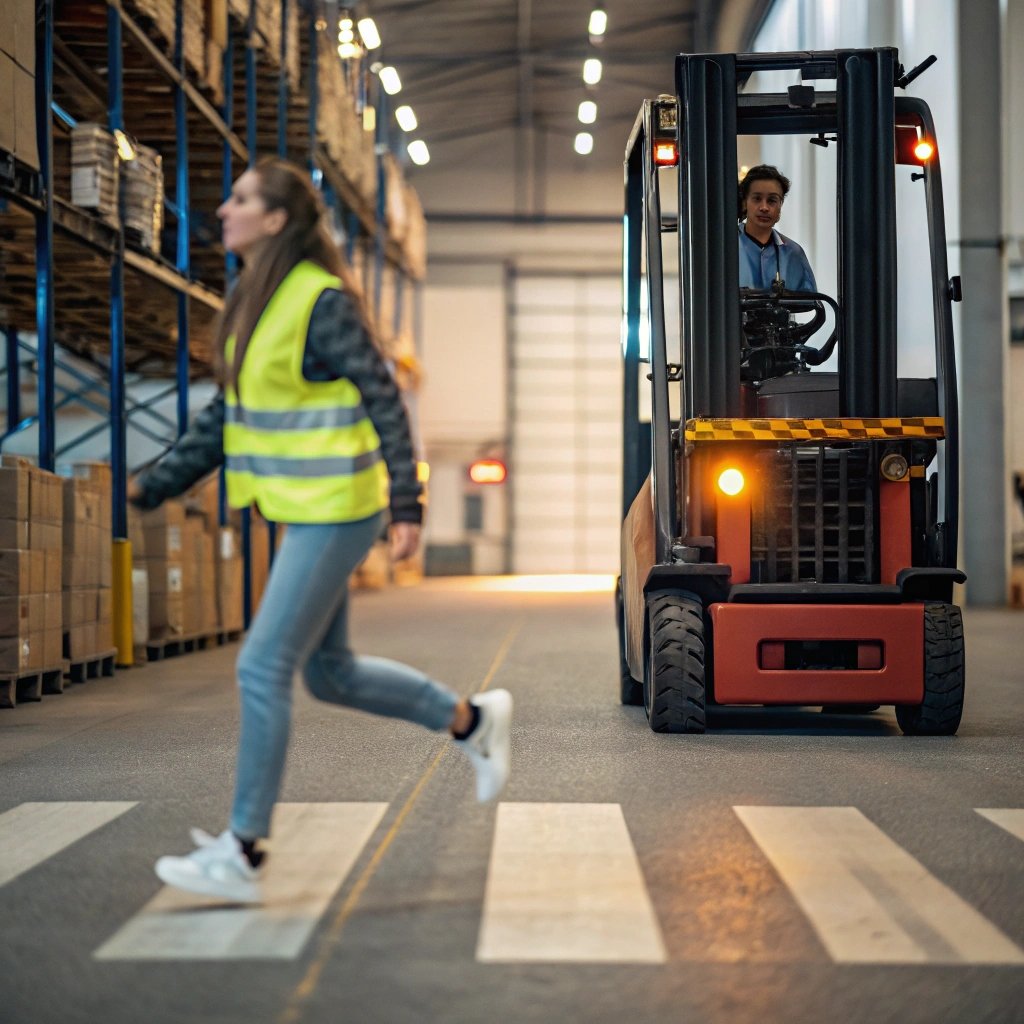
Table of Contents
Introduction
Forklift accidents involving pedestrians are a major safety concern in industrial and warehouse environments. According to OSHA, forklift-related incidents cause nearly 100 fatalities and 34,900 serious injuries annually in the U.S. alone! Ensuring workplace safety requires effective anti-collision solutions that leverage advanced technology and best practices.
In this guide, we’ll explore the latest forklift-to-pedestrian anti-collision solutions, from sensors and warning systems to AI-powered detection and safety training protocols. Whether you’re a warehouse manager, safety officer, or forklift operator, this article will help you understand how to prevent collisions and protect your workforce.
Understanding the Risks: Why Forklift-Pedestrian Collisions Happen
- Common causes: blind spots, distraction, high-traffic areas
- Statistics on forklift-related pedestrian injuries and fatalities
- Legal and regulatory frameworks (OSHA, ANSI, ISO standards)
Advanced Forklift Collision Prevention Technologies
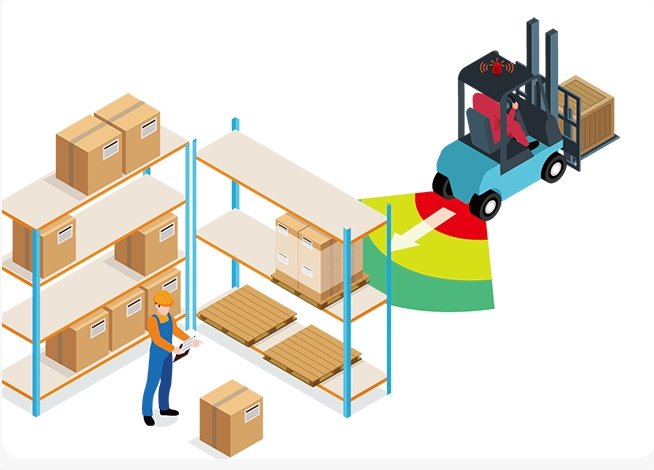
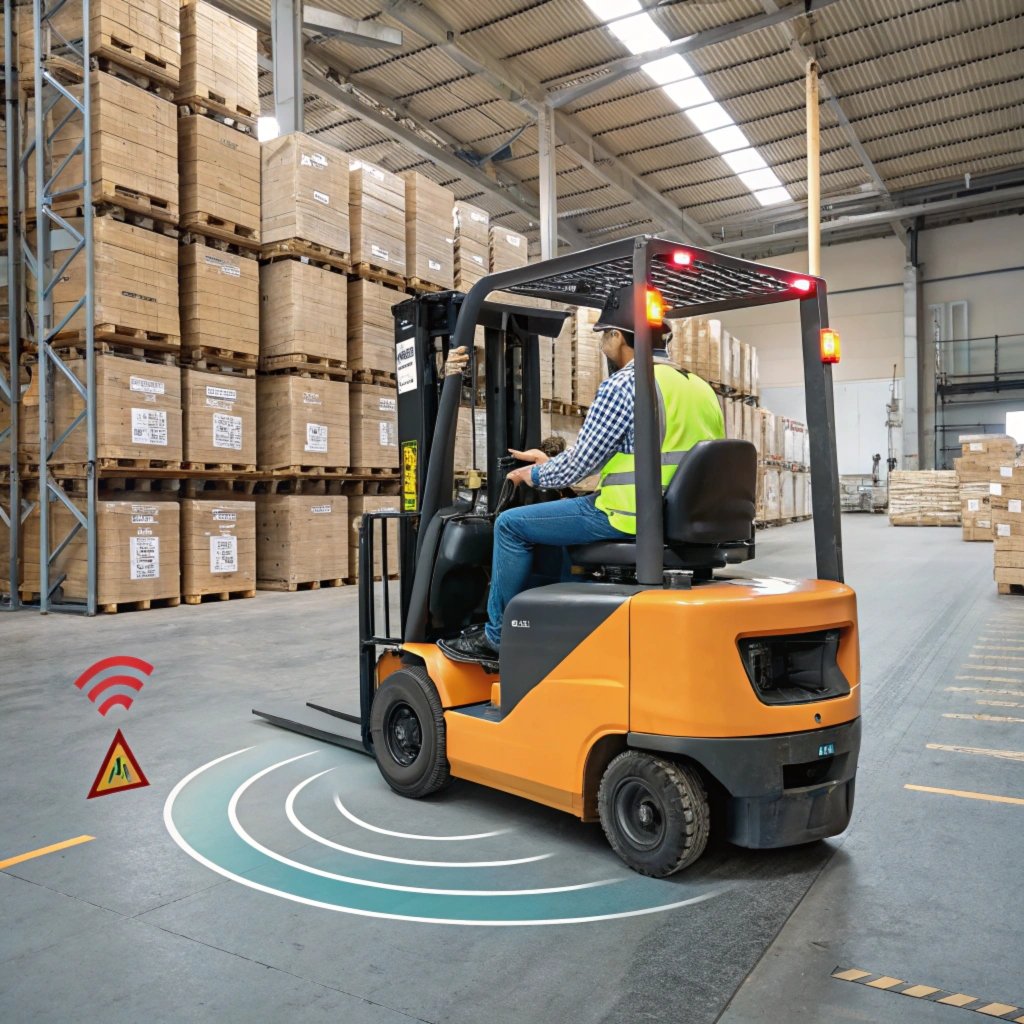
- Proximity Sensors & Alarms: How ultrasonic and RFID-based sensors work
- AI-Powered Detection Systems: Machine learning and real-time tracking
- Camera-Based Systems: Enhancing driver visibility
- Geofencing & Virtual Barriers: Restricting forklift movement in pedestrian zones
Wearable Safety Devices for Pedestrians
- RFID-enabled safety vests
- Proximity alert wristbands
- Smart helmets with real-time hazard alerts
Implementing Forklift-Pedestrian Safety Protocols
- Training programs for forklift operators and pedestrians
- Floor marking, designated pedestrian lanes, and signage
- Speed limit enforcement and automated slowdown systems
- Using pedestrian detection zones in high-traffic areas
The Role of Automation in Reducing Forklift Accidents
- Autonomous forklifts and their built-in safety features
- AI-powered predictive analytics for accident prevention
- Remote monitoring systems for real-time safety management
Best Practices for Implementing Anti-Collision Solutions in Your Workplace
- Conducting a workplace hazard assessment
- Choosing the right combination of technology and training
- Continuous monitoring and periodic safety audits
- Case studies: Successful implementation of anti-collision solutions
Conclusion
Preventing forklift-to-pedestrian collisions is crucial for maintaining a safe and efficient workplace. By implementing cutting-edge technology, proactive safety measures, and employee training, businesses can significantly reduce accidents and improve workplace safety.
Investing in anti-collision solutions not only protects workers but also minimizes downtime, liability, and costs related to workplace injuries.
🔹 Ready to enhance your workplace safety? Start by assessing your current safety measures and integrating advanced anti-collision technologies today!
More Articles
Please check the following for more articles.