Skip to content
Table of Contents
Attending a trade show in China can be an incredible opportunity to discover new suppliers, explore innovative products, and build long-term business relationships. However, with thousands of exhibitors and limited time, it’s essential to plan smartly. Here’s a step-by-step guide on how to attend Chinese trade shows effectively — saving money, time, and energy while maximizing your business impact.
How to Book an Affordable Hotel
Hotel prices around major exhibition centers such as Canton Fair Complex (Guangzhou), NECC (Shanghai), or Shenzhen Convention Center rise sharply during trade shows. To save money without compromising convenience:
- Book at least 1–2 months in advance. Early booking through platforms like Trip.com or Agoda can save 30–50%.
- Choose hotels within 2–4 km of the venue. Walking distance is ideal, but if prices are high, stay near a metro line for easy commuting.
- Consider business apartments or serviced residences. They are often cheaper for longer stays and offer in-room kitchens and laundry.
- Check for shuttle services. Some hotels provide free transfers to and from the exhibition hall — a huge time-saver.
How to Maximize Contact with Multiple Suppliers
Preparation is your power.
Trade shows in China can host thousands of exhibitors. To manage your time and meet the right people:
- Research exhibitors in advance. Visit the official trade show website and shortlist suppliers by category or product type.
- Book appointments before the show. Contact suppliers via email or WeChat to schedule meetings. It ensures dedicated time with key suppliers and avoids waiting.
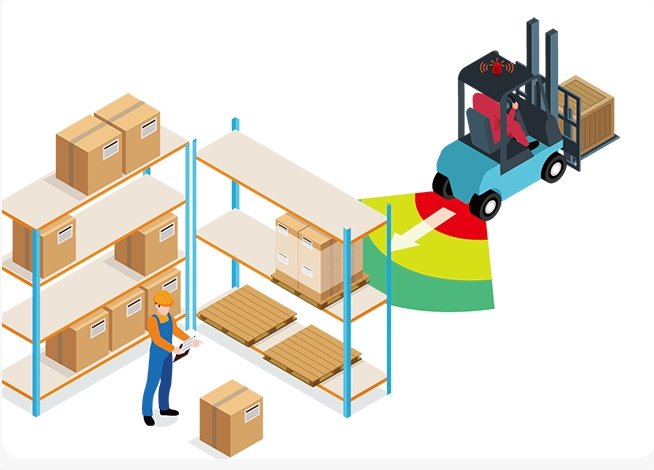
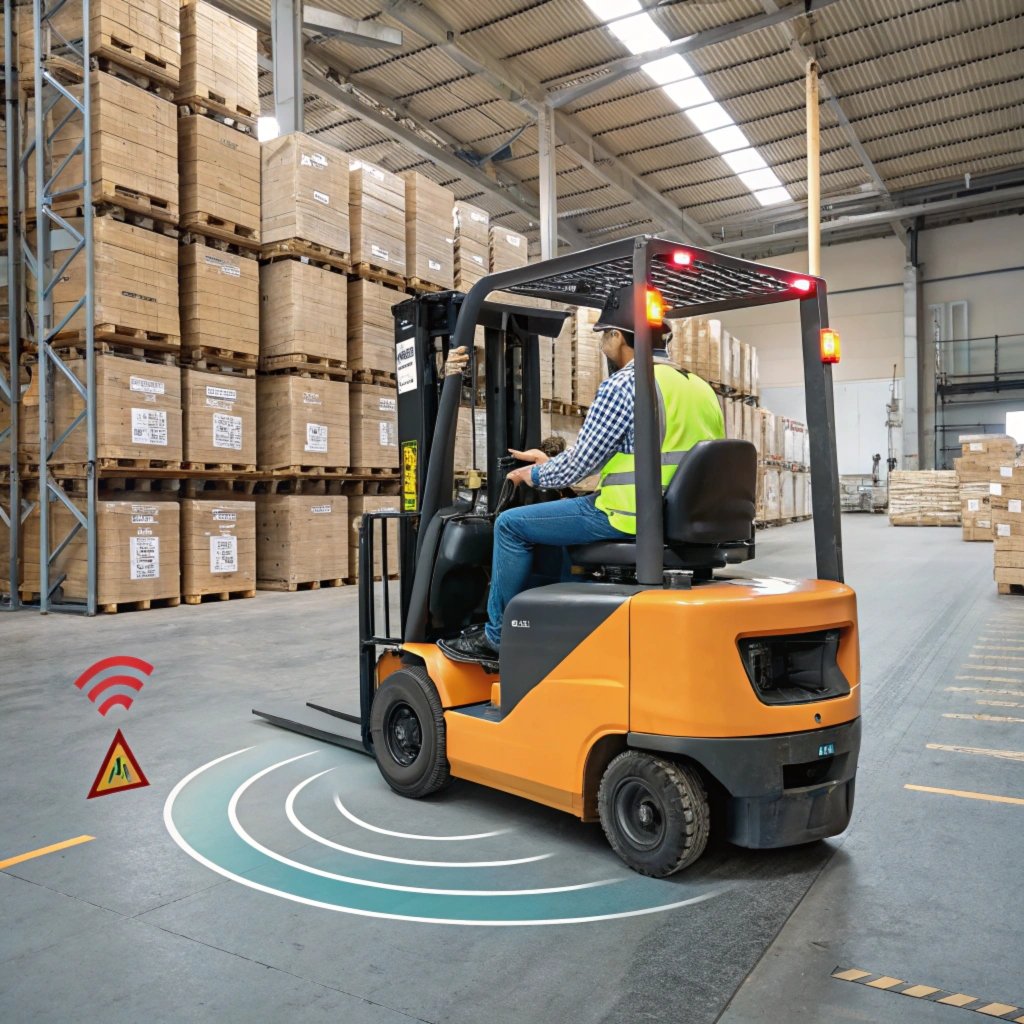
welcome to book an appointment with us if you are going to attend the trade show CeMAT ASIA 2025, our booth is C5, in Hall W6. We will show the new product for forklift anti collision system.

- Use digital tools. Scan QR codes, collect WeChat contacts, and store e-business cards digitally. Avoid paper cards piling up.
- Focus your goals. Divide your supplier meetings by product type or production region to compare efficiently.
- Follow the “3-visit rule.” Spend your first day exploring, the second confirming interest, and the third negotiating.
👉 Smart Tip: Map out your target suppliers by hall to create the most time-saving route.
How to Keep Records After Discussing with Suppliers
Stay organized or risk losing valuable leads.
After hundreds of booth visits, faces and details can easily blur together. To keep track:
- Use a digital notebook. Apps like Notion, Evernote, or Google Sheets help you record supplier names, booth numbers, and price quotes instantly.
- Take photos of booths and name cards. Include product tags and packaging for later reference.

- Write short comments immediately. After each meeting, spend one minute noting the supplier’s strengths, price level, and cooperation potential.
- Label contacts in WeChat. Add company name and product keyword to avoid confusion later.
- Create a summary report each night. Sort suppliers into categories: High Potential, Moderate, and Not Suitable — this helps you follow up efficiently after returning home.
👉 Smart Tip: Have your supplier send a brief summary to your private email — include the products you’re interested in, prices, photos, and catalog for easy follow-up.
Final Tips for Success
- Bring enough business cards and a portable power bank.
- Dress professionally but comfortably — you’ll walk a lot.
- Be polite and open-minded. Chinese suppliers value respect and long-term relationships.
- Always follow up within a week after the show while memories are still fresh.
Attending a trade show in China is not just about seeing products — it’s about building trust, learning market trends, and finding the right partners. With good preparation and smart management, every trade show visit can become a strong investment in your business growth.
More Articles
Check the following for more articles.