Skip to content

Table of Contents
Essential Daily Forklift Safety Management Checklist
Pre-Shift Management Tasks
- Verify operator certifications – Check that only certified operators are scheduled
- Review previous shift incident reports – Address any safety concerns immediately
- Confirm daily inspection completion – Ensure all forklifts have passed pre-use inspections
- Brief operators on daily hazards – Weather conditions, special loads, maintenance areas
Operator Certification Management
Required Documentation You Must Maintain
- OSHA-compliant certification records for each operator (valid for 3 years)
- Training completion certificates with specific forklift model endorsements
- Medical clearance forms (vision, hearing, physical capability)
- Incident history records for each operator
Monthly Certification Review Process
- Create certification tracking spreadsheet with renewal dates
- Schedule refresher training 60 days before expiration
- Document skills assessments using standardized evaluation forms
- Remove uncertified operators from forklift assignments immediately
Daily Forklift Inspection Oversight
Your Inspection Management System
- Assign specific forklifts to operators – Creates accountability
- Use digital inspection apps or paper checklists for every shift
- Require operator signatures on completed inspections
- Review flagged issues within 30 minutes of shift start
Critical Items You Must Verify Daily
- Hydraulic fluid levels and leaks
- Tire condition and proper inflation
- Load backrest and forks alignment
- Warning lights and backup alarms functionality
- Battery charge levels (electric forklifts)
- Propane connections and levels (gas forklifts)
Workplace Safety Zone Management
Establish Clear Traffic Patterns
- Mark pedestrian walkways with bright yellow tape or paint
- Install convex mirrors at blind corners and intersections
- Create forklift-only zones with appropriate signage
- Designate loading dock protocols with specific operator assignments
Load Management Supervision
- Set maximum load limits for each forklift model prominently displayed
- Require load weight verification for non-standard items
- Enforce proper load positioning – center of forks, against backrest
- Monitor travel speeds – walking pace in pedestrian areas
Incident Response and Documentation
Immediate Response Protocol
- Secure the scene – Stop all forklift operations in affected area
- Assess injuries – Call emergency services if needed
- Document everything – Photos, witness statements, measurements
- Notify upper management and safety department within 1 hour
Investigation Process You Must Follow
- Interview all witnesses separately within 24 hours
- Complete root cause analysis using 5-Why methodology
- Develop corrective actions with specific timelines
- Schedule follow-up training if operator error identified
Performance Monitoring and Discipline
Weekly Performance Metrics to Track
- Near-miss reports per operator
- Inspection compliance rates
- Speed violations (if monitoring equipment available)
- Load handling accuracy
- Equipment damage incidents
Progressive Discipline Framework
- First offense: Verbal warning and additional training
- Second offense: Written warning and skills re-evaluation
- Third offense: Suspension and mandatory recertification
- Fourth offense: Termination and equipment access revocation
Training and Communication Management
Monthly Safety Meetings
- Review recent incidents and lessons learned
- Demonstrate proper techniques for common tasks
- Update on new safety procedures or equipment changes
- Recognize safe operators publicly
Ongoing Training Requirements You Must Implement
- Quarterly skills assessments with practical demonstrations
- Annual recertification training regardless of expiration dates
- Immediate retraining after any incident or near-miss
- New equipment orientation when introducing different forklift models
Technology and Equipment Management
Forklift Maintenance Oversight
- Schedule preventive maintenance according to manufacturer recommendations
- Maintain maintenance logs accessible to operators
- Remove damaged equipment from service immediately
- Ensure backup equipment availability during maintenance periods
Safety Technology Implementation
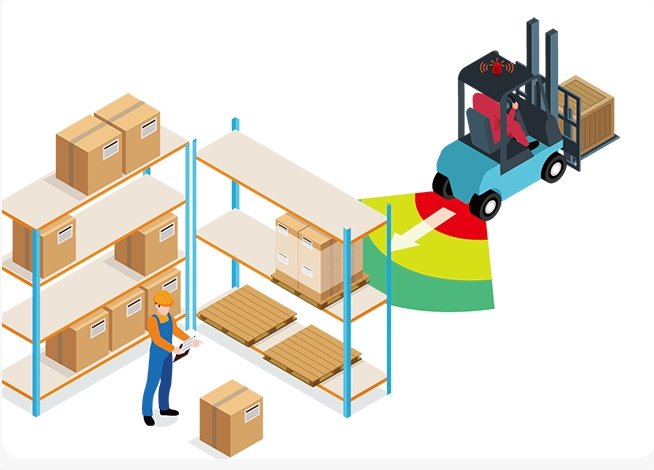
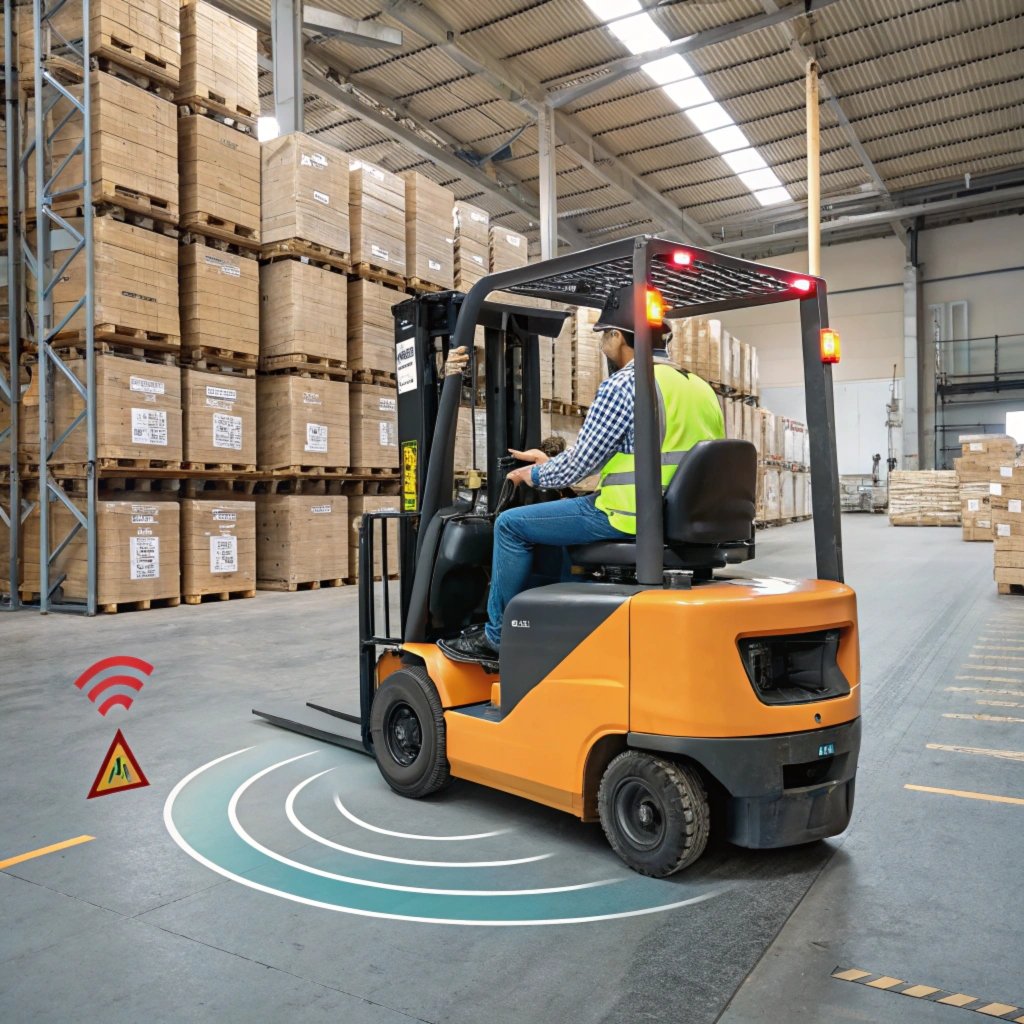
- Install forlift anti collision system on all forklifts
- Use Forklift Blue Light to create operator visibility zones
- Implement forklift speed limiting devices in pedestrian areas
- Consider proximity sensors for high-traffic areas
Regulatory Compliance Management
OSHA Requirements You Must Meet
- Annual safety training documentation for all operators
- Incident reporting within 24 hours for serious injuries
- Workplace hazard assessments updated annually
- Emergency response procedures posted and practiced
Documentation Best Practices
- Keep all records for minimum 5 years
- Use standardized forms for consistency
- Ensure digital backups of critical documents
- Maintain inspection logs in operator language
Cost Management and ROI
Tracking Safety Investment Returns
- Calculate accident costs including downtime, medical, equipment damage
- Monitor insurance premium changes related to safety performance
- Track productivity improvements from reduced incidents
- Document training investment versus incident reduction
Budget Items for Forklift Safety Program
- Operator training and certification: $200-500 per operator annually
- Safety equipment upgrades: $500-2000 per forklift
- Inspection and maintenance programs: $1000-3000 per forklift annually
- Management training and software: $2000-5000 annually
Emergency Procedures and Crisis Management
Forklift Accident Response Plan
- Immediate medical response – Trained first aid responders on each shift
- Equipment securing – Lockout/tagout procedures for damaged forklifts
- Investigation team activation – Include safety manager, operations manager, HR
- Communication protocol – Internal notifications and external reporting requirements
Seasonal Safety Adjustments
- Winter operations: Increased inspection frequency, different tire requirements
- High-volume periods: Additional supervisory coverage, modified break schedules
- Maintenance shutdowns: Intensive training opportunities, equipment upgrades
- New employee onboarding: Dedicated training periods, mentor assignments
Key Performance Indicators for Success
Monthly Safety Metrics Dashboard
- Zero preventable accidents target
- 100% operator certification compliance
- 95% daily inspection completion rate
- Less than 2% equipment downtime due to safety issues
- 100% incident investigation completion within 48 hours
Success Implementation Timeline
- Week 1: Implement daily inspection oversight and certification review
- Week 2-3: Establish traffic patterns and load management protocols
- Month 1: Complete initial operator assessments and safety meetings
- Month 2-3: Fine-tune procedures based on initial results
- Ongoing: Monthly reviews and continuous improvement
This comprehensive management approach reduces forklift accidents by up to 85% when consistently implemented and creates a culture of safety accountability throughout your warehouse operations.
More Articles
Please check the following for more articles.
Related Articles: