Skip to content

Table of Contents
Forklifts are essential in warehouses, factories, and logistics centers—but they also pose serious safety risks if not managed properly. That’s where a forklift anti-collision system comes into play. These safety technologies help prevent accidents, protect your team, and reduce costly downtime. However, not all systems are created equal. Before you make a purchase, here are three critical points you must understand to choose the right anti-collision system for your operation.
Identify the Main Accident Risks You Want to Prevent
Every facility is different. That’s why the first step to choosing a forklift anti-collision system is identifying the most common and high-risk types of accidents you need to prevent. Ask yourself:
- Do your forklift operators often work in tight aisles with frequent pedestrian traffic?
- Are there blind spots or low-visibility zones where forklifts might collide with each other?
- Is your facility filled with stationary obstacles such as shelves, racks, or machinery?
There are typically three major accident categories:
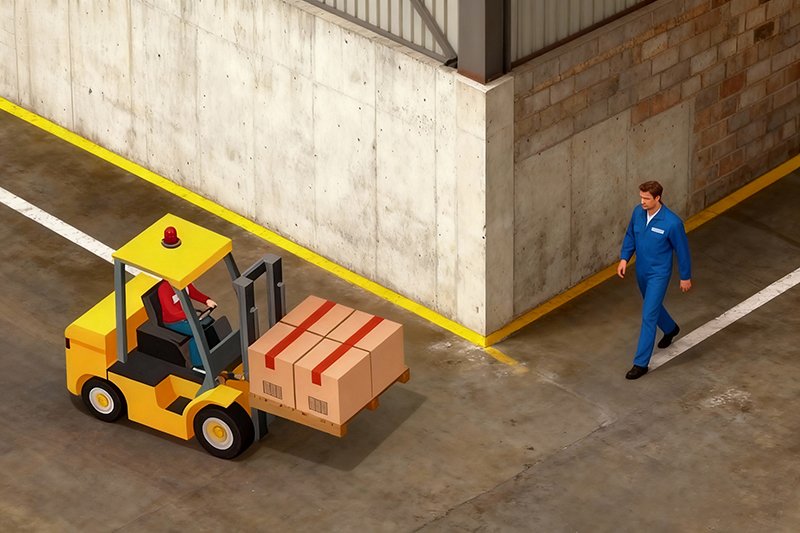
- Forklift-to-pedestrian collisions – the most dangerous and costly.
- Forklift-to-forklift collisions – common in fast-paced environments.
- Forklift-to-obstacle impacts – which damage both goods and infrastructure.
Knowing which type of incident happens most often in your facility helps you choose a system with the right sensor range, response time, and alert mechanism to prevent those exact accidents.
Understand the Functions of Different Forklift Anti-Collision Systems
Not all anti-collision systems operate the same way. Some are basic warning systems, while others actively control forklift behavior. Here are a few popular types:
- Proximity Alert Systems
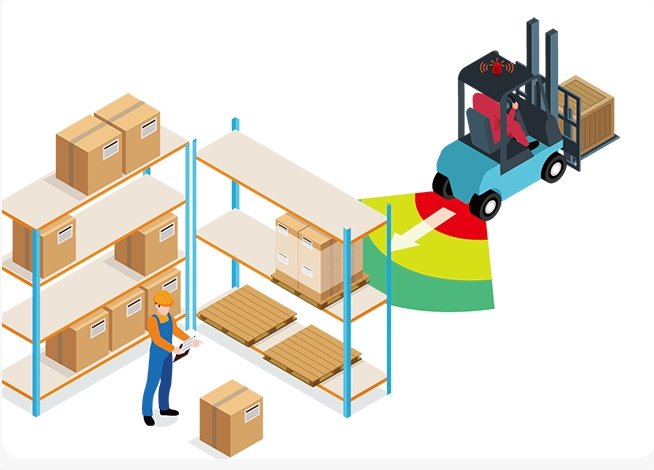
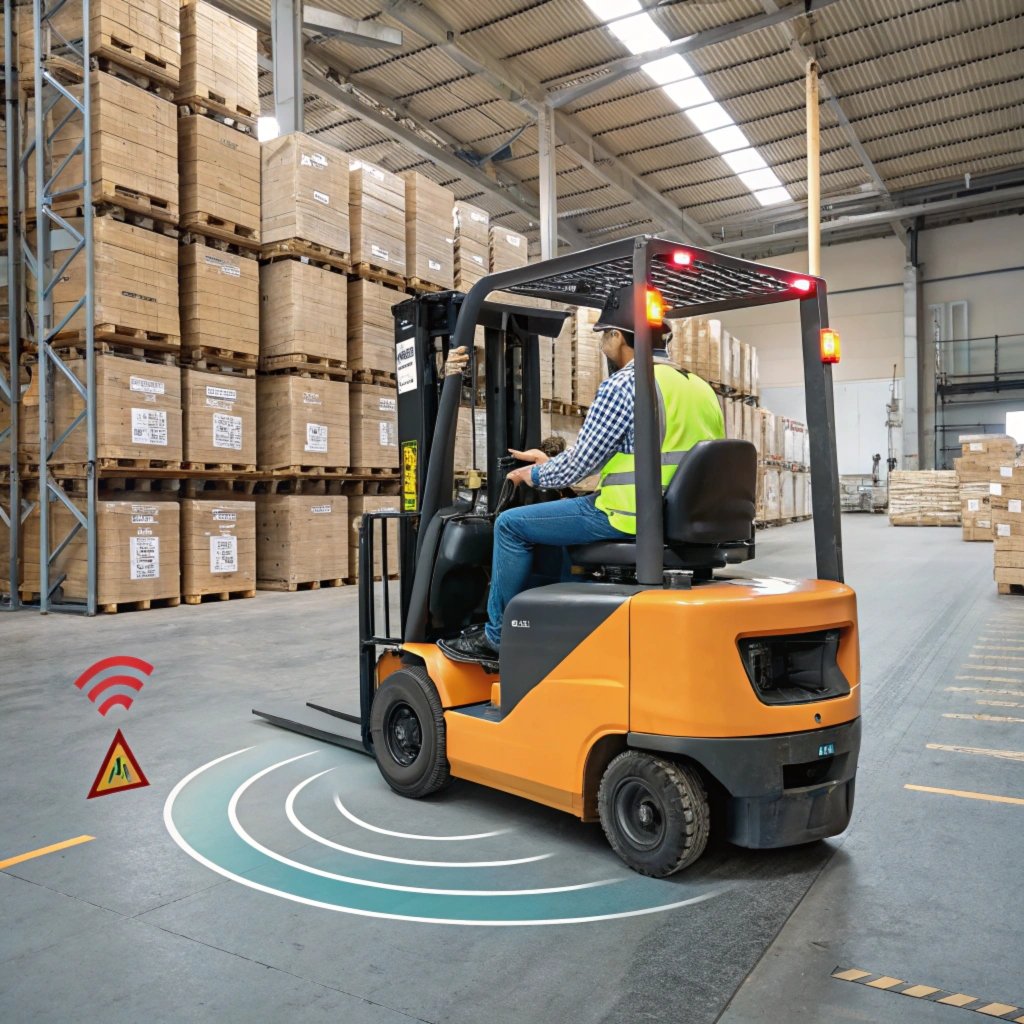
These use ultrasonic, RFID, or UWB (ultra-wideband) sensors to detect nearby objects, pedestrians, or other vehicles. Once detected, they trigger audible or visual alerts to the driver.
- Pedestrian Detection Systems
Equipped with AI vision, RFID tags, or wearable sensors, these systems detect human movement near the forklift and alert both the operator and the pedestrian to prevent contact.
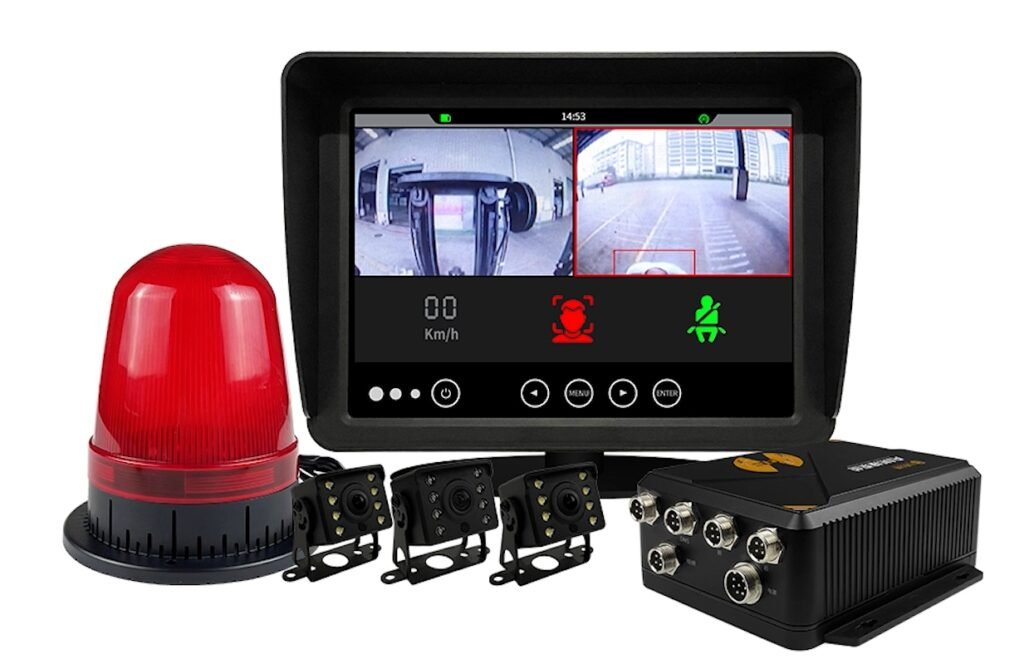
- Active Braking Systems
These systems take it a step further by automatically slowing down or stopping the forklift when a collision is imminent. They’re ideal for high-traffic areas and facilities with inexperienced drivers.
- Zoning and Speed Control Systems
Using GPS or RFID zoning, these systems automatically adjust forklift speed or behavior based on location, such as slowing down in pedestrian zones or intersections.
Different functions come with different costs and levels of complexity. Choose the system that best fits the layout, traffic flow, and daily challenges of your workplace.
Know Whether Installation Is Difficult or Plug-and-Play
Many managers hesitate to adopt a forklift anti-collision system because they worry about complex installation or downtime. But the truth is, technology has advanced.
Today’s systems range from plug-and-play kits with minimal wiring to fully integrated safety platforms that may require professional installation. Consider the following when evaluating installation difficulty:
- Can your in-house team handle the setup? Some kits are DIY-friendly.
- Does the manufacturer provide technical support or on-site service?
- Are the sensors and modules compatible with different forklift models and brands?
- Can it be easily scaled if your fleet grows?
The easier it is to install and maintain, the faster you can start improving safety without disrupting your workflow.
Final Thoughts
Investing in a forklift anti-collision system is not just about meeting safety regulations—it’s about protecting your people, your equipment, and your profits. By identifying your main accident risks, understanding different system functions, and evaluating the installation process, you’ll be able to make a smart and effective decision.
Whether you’re managing a small warehouse or a large industrial facility, the right safety system will bring peace of mind and long-term value.
More Articles
Please check the following for more articles.